Category: traditional

Vienna: the food

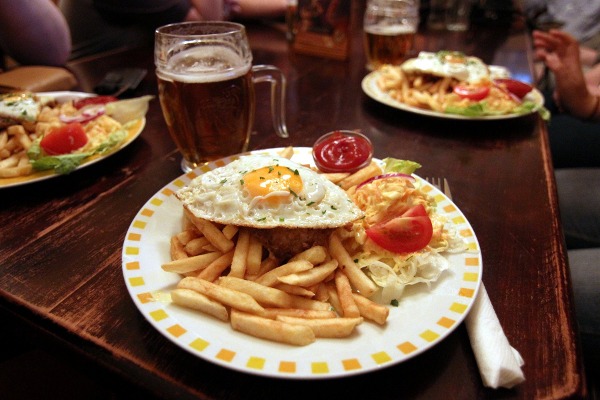
Staying in Vienna, you absolutely to have one dish: Wiener Schnitzel, which is not much different than the schnitzels I remember from home, but apparently larger (the surface is large but the meat is thin) and mine was served with potato salad on the side.

fountain

Even the burger had some local touch (and no buns, which is good). The beer here is Czech (Kozel).
fountain

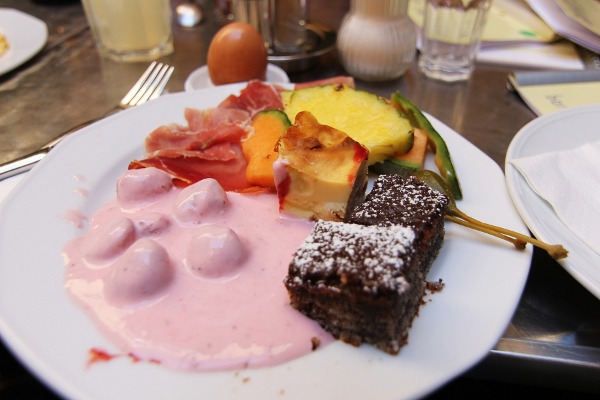
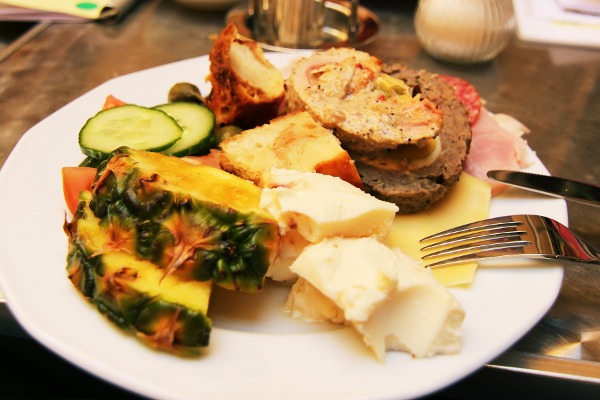
And there is plenty of international food, like those brunch plates:
fountain
fountain

Something is missing from here, the Wiener Strudel, maybe next time…

Creative Commons LicenseThis work is licensed under a Creative Commons Attribution-Share Alike 3.0 License.


Vienna: parks

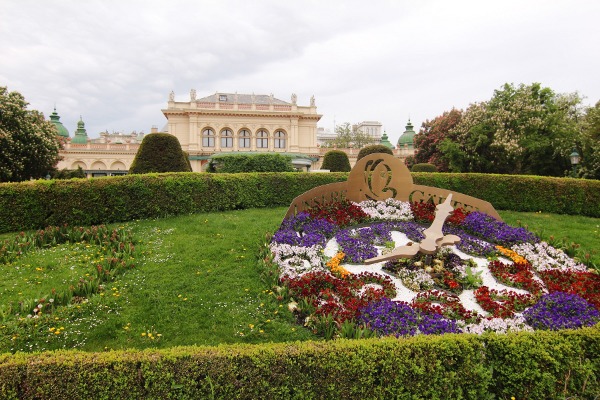
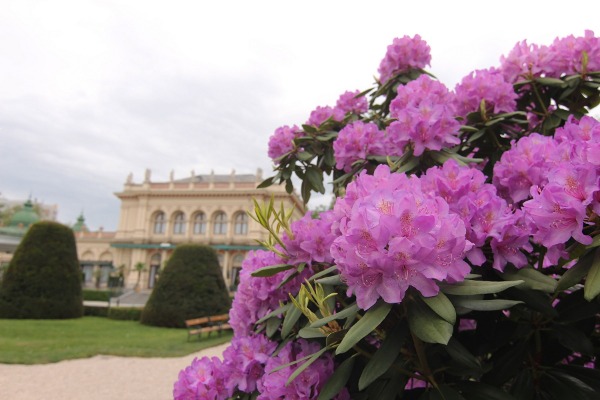
Among this palaces and cathedrals, there are also a lot of parks in Vienna and at this time of the year (month of May) they were green and full of flowers.

vienna
vienna

Creative Commons LicenseThis work is licensed under a Creative Commons Attribution-Share Alike 3.0 License.

Vienna: traditional

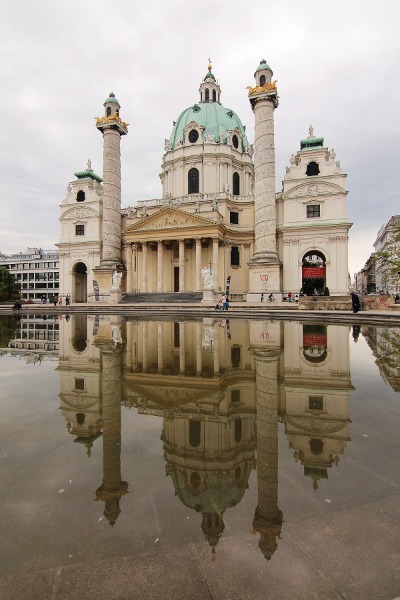
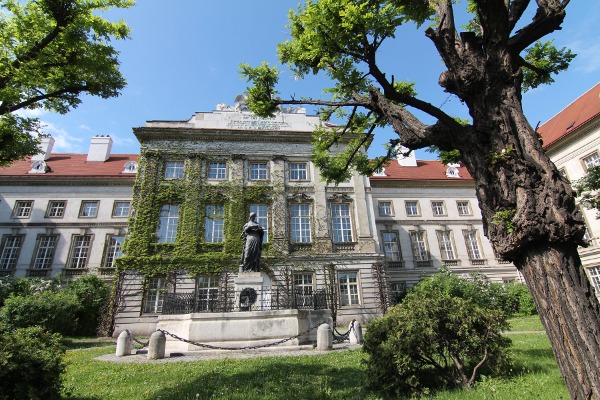
Vienna is known more for its traditions: cathedrals, palaces, many impressive buildings, some of them really old and some from more modern times. In the very center you can even rent a coach with horses (pictures won’t capture the smell of manure):

vienna
vienna
vienna

Creative Commons LicenseThis work is licensed under a Creative Commons Attribution-Share Alike 3.0 License.

Village life: requiem

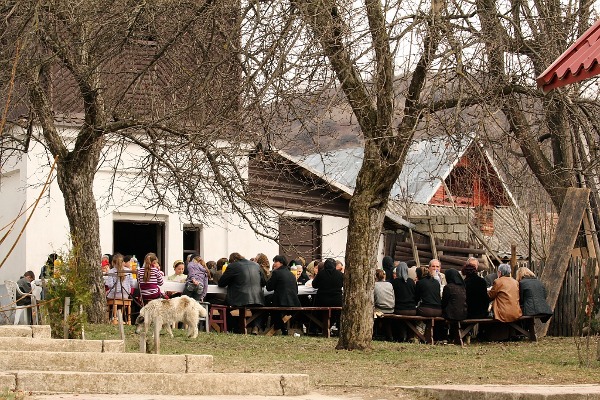
When somebody dies the family will hold many requiems: right after, 6 weeks after, 1 year after, every year after, at some special days and so on. And a Romanian requiem has to include a large, sumptuous food serving, almost like a party (but no music and no dance, of course). In this village apparently someone rich died, as the requiem was excessively large, even the photographer received a bread.

requiem

Creative Commons LicenseThis work is licensed under a Creative Commons Attribution-Share Alike 3.0 License.


Village life: spirits

Like it or not, is a reality people around here like to drink, some a lot, some way too much 🙂 So of course an important place in the village is the distillery where they make țuică (usually moonshine). Here they make it from apples, since the region is surrounded by apple orchards.

distillery

Creative Commons LicenseThis work is licensed under a Creative Commons Attribution-Share Alike 3.0 License.


Village life: the fold

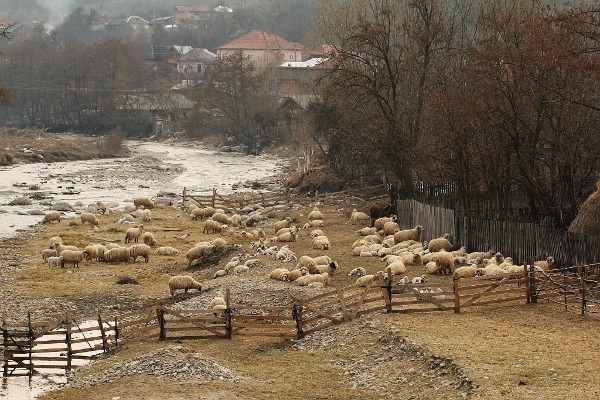
Romania is a country of shepherds, it was even since it was called Dacia, from shepherds we have a lot of traditions. Sure, in modern days the country changed a lot, but you can still see the flocks in the mountains or the remote villages near the mountains.

sheep

Creative Commons LicenseThis work is licensed under a Creative Commons Attribution-Share Alike 3.0 License.

The lady and her house

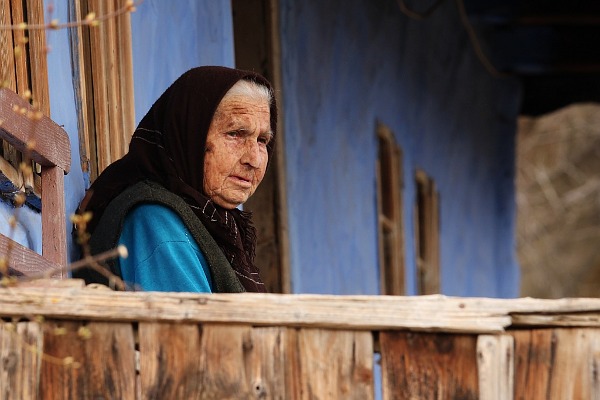
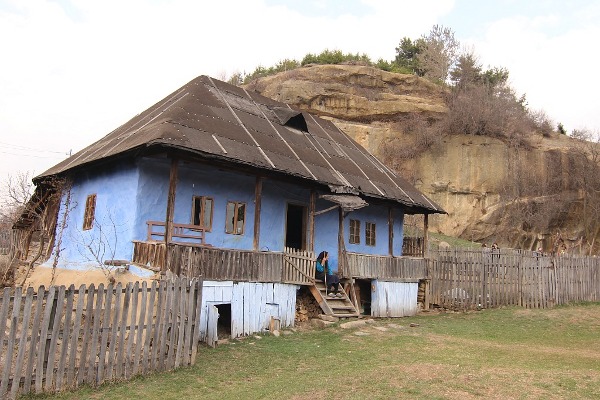
This lady is 80 and she has the stone wall of the Corbi monastery in the backyard. She also has a blue house, which is a traditional color for houses in some parts of Romania. She’s also used with tourists and photographers and have no problem posing for them 🙂

old lady
blue house

Creative Commons LicenseThis work is licensed under a Creative Commons Attribution-Share Alike 3.0 License.

The Well

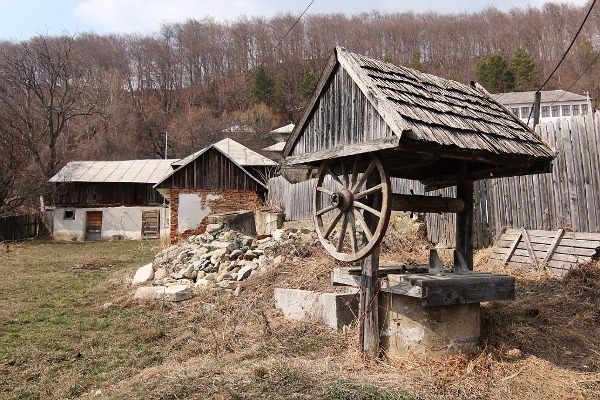
This is a very traditional well as you can see today if you are lucky in a remote village. I have to witness, I didn’t drop any coin in it and didn’t make any wishes, but would like some photo sessions in this type of scenery.

well

Creative Commons LicenseThis work is licensed under a Creative Commons Attribution-Share Alike 3.0 License.


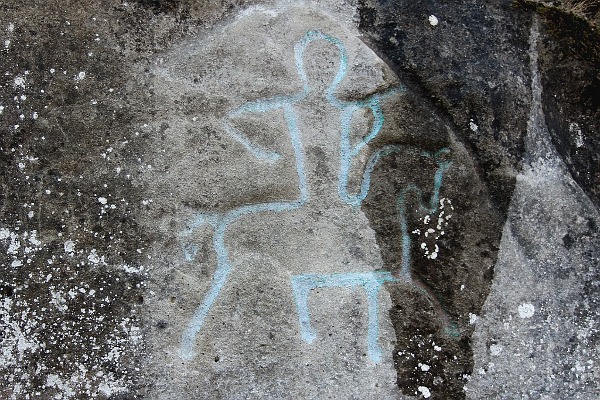
Thracian Horseman

On the old stone wall of the Catățuia/Negru Vodă Monastery there is this ancient mural painting representing a Thracian horseman. I wonder how it escaped unerased by the later Christian monks, but I am glad it happened.

thracian rider

Creative Commons LicenseThis work is licensed under a Creative Commons Attribution-Share Alike 3.0 License.

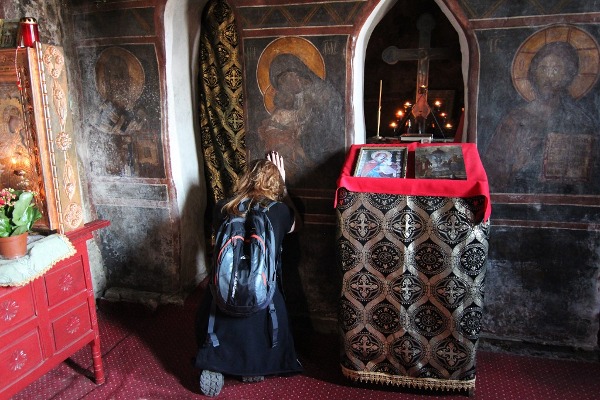
Piety

Praying at PeÈ™tera MoÈ™ului (Old Man’s Cave) at Cetățuia (Negru Vodă) Monastery. This cave is a medieval Romanian (Vallachian) church built on the place of an older, ancient Dacian holly place and for a long while there were hermits living in isolated caves around.

piety

Creative Commons LicenseThis work is licensed under a Creative Commons Attribution-Share Alike 3.0 License.


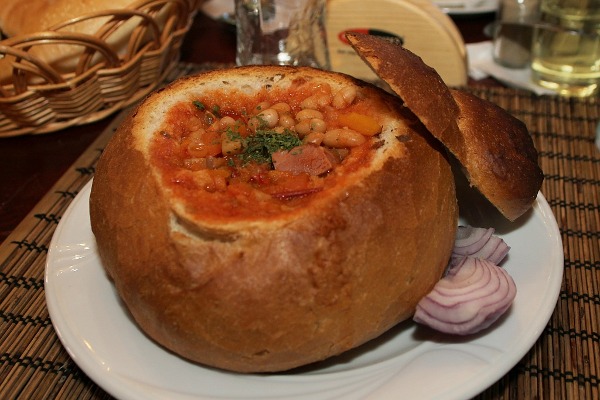
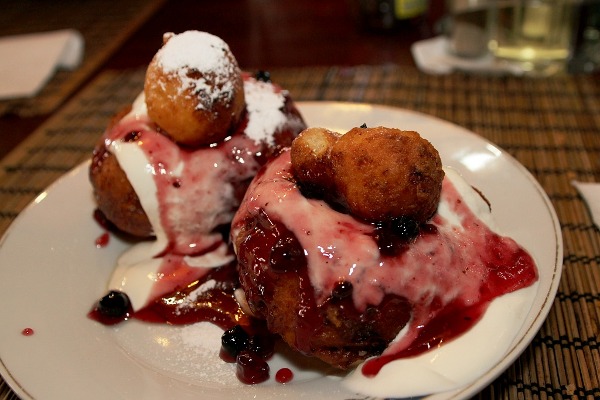
Beans and papanasi

This is a very Romanian meal: beans soup with smoked pork (Romanian: fasole cu ciolan) and papanasi (doughnuts with jam and cream). The soup was served in a bread, to attract the tourists (myself included) and there was also a glass of boiled wine, which is not pictured, I drank it long before the soup was brought to the table.

fasole
papanasi

Creative Commons LicenseThis work is licensed under a Creative Commons Attribution-Share Alike 3.0 License.


Mucenici

I am a vocal atheist, but at the same time I know a bit about religious traditions around (you can’t be an atheist without being familiar with the religious dogma) and I enjoy some of the traditional food (does it make me a hypocrite?)

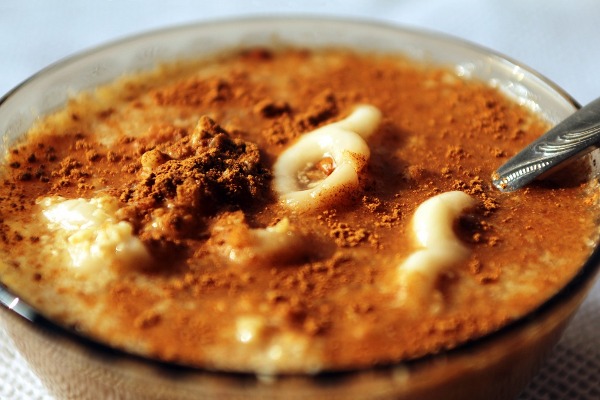
Mucenici or Măcinici is a traditional for for the Christian-Orthodox holiday celebrating the 40 martyrs of Sebaste with takes place on 9 March. Is a dessert of two sorts: in Muntenia (south) is like a soup of “8” shaped little pasta, sweetened and traditionally flavoured with cinnamon and walnuts, in modern times we also add for flavour rum essence and lemon or orange peels. In Moldova (north-west), again some “8” shaped bigger dough pieces, baked in the oven, then dipped in honey syrup and flavored with walnuts (those are also called “Saints”)

This year I only had the southern sort, the soup. The pasta was bought from the store, the rest is home-made. Hopefully for the next year I will have some photos with the other one too.

Another tradition for this holiday is to celebrate all the saints, so if there were 40 martyrs dying… you have to drink 40 glasses of wine, one for each saint. Not bad… but way more than I can handle 🙂

And there is yet another tradition: if your name don’t have a patron saint (your given name is not the same as the name of a saint officially celebrated in the religious calendar), then 9 March is your name day. Another opportunity to celebrate, I guess…

mucenici

Creative Commons LicenseThis work is licensed under a Creative Commons Attribution-Share Alike 3.0 License.


Indian wedding: the feet washing

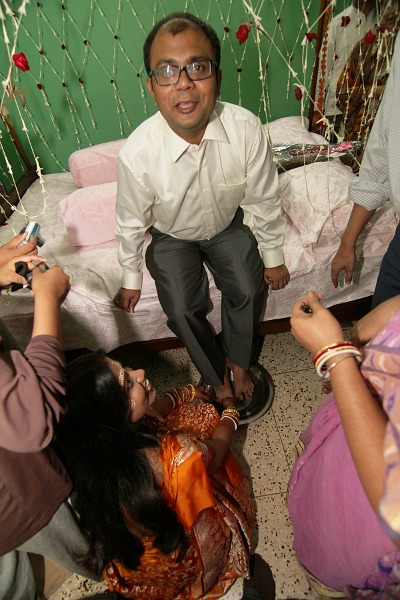
The very last tradition in the Indian wedding I witnessed, just before the husband and wife are allowed together for the first time it was the ceremony where she had to was his feet. In their culture feet are considered unclean, and doing this is the sign of great humility. A good part of the groom’s family assisted.

And with this the wedding ceremonies ended, it was the time for the photographer to go away 🙂

indian wedding

Creative Commons LicenseThis work is licensed under a Creative Commons Attribution-Share Alike 3.0 License.

Indian wedding: the big night

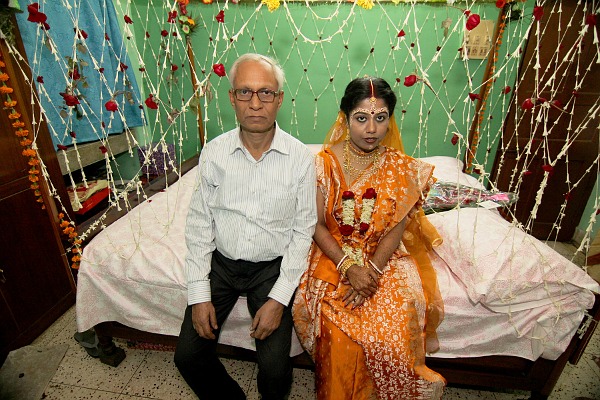
Finally, two days after ceremony (one of which they were not allowed to even see each other) and after the last reception, the bride and the groom had their first night together. In a special room, with a richly decorated bed. But before that, she was received by her father-in-law.

indian wedding

Creative Commons LicenseThis work is licensed under a Creative Commons Attribution-Share Alike 3.0 License.


Indian wedding: the session

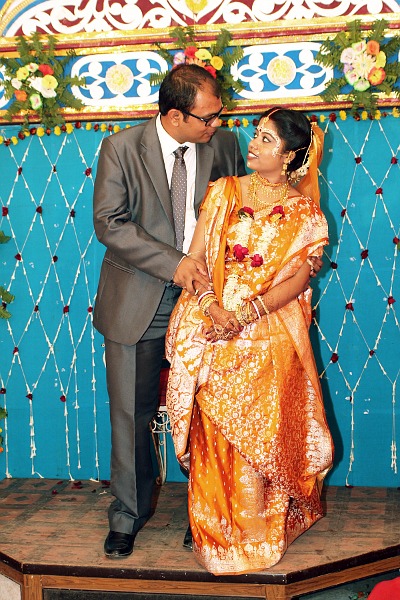
If in the western world the “official” photo session with the bride and the groom is a must and the bride may kill the photographer if she doesn’t get her pictures with the bridal dress, I discovered that some Indian brides are not the same, in this case she didn’t want photos… and made it in the most Indian way, not saying “no” but “yes” and then avoiding it in various ways.

In fact this is the thing that annoyed me the most in my Indian experience, people there won’t say you a firm “no”, they consider it disrespectful, they will say “yes”, “maybe”, “later” or “we’ll see” and then try to do everything to avoid it. They don’t know this is even more disrespectful for us, Westerners, who prefer a straight “yes” or “no” and then keeping your word. This may be the cause for some of our cultural conflicts.

So, back to the topic: we had the “official” photo session planned for a full morning in a park, then it was moved for something short in the evening at the temple, then for something even shorter at house on the roof, then it didn’t happen, all we did was a few shoots at the reception place.

indian wedding

Creative Commons LicenseThis work is licensed under a Creative Commons Attribution-Share Alike 3.0 License.